


War’s Petrochemicals Impact: European Consumers Face Pinch Across Plastics, Pants, and Food Prices
- Apr 7
- 2 min read
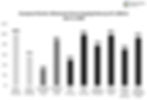
Plastics wholesale prices across Europe have risen from 32% to 100% as the U.S.-Israeli war on Iran continues into its 40th day, according to Responsible Alpha’s research. The war’s global supply shock soon will pinch European pocketbooks from significant price increases in plastics packaging and bottles, clothing, the auto industry and construction sector components, and medical equipment.
The war has resulted in the Strait of Hormuz closing, which is the shipping channel for 20% of global crude oil exports.
Why This Matters
The International Energy Agency has called the month-long closure of the Strait of Hormuz the largest supply disruption in the history of the global oil market.
The price of European oil shipments bought and sold in the North Sea has reached $141.37 per barrel – higher than when Russia invaded Ukraine.
Due to unreliable feedstock supply, many European petrochemical and plastics facilities are declaring force majeure.
The shipping disruptions caused by the war will have severe consequences for the European petrochemicals industry and consumers, including price spikes in everyday products like foods with plastic packaging, plastic bags, clothing, footwear, and medical supplies.
Details
The EU plastic industry is almost solely reliant on fossil fuel feedstocks: crude oil and natural gas. These feedstocks are used to produce ethane, naphtha, pentane, and ammonia, which in turn produce the feedstocks to create basic chemicals for use in the plastic production supply chain. The Middle East accounts for roughly a quarter of global polyethylene and polypropylene exports, according to S&P Global Energy data.
According to Responsible Alpha, European wholesale plastics prices and their ingredients have surged from 32% to 100% between February 27 to April 6, 2026, which means higher prices for the plastic products used throughout our economy.
European corporations have reacted by issuing stop orders to ensure they retain enough volume to meet contractual supply obligations. This week alone:
LyondellBasell issued a force majeure on its European polyolefin production, citing high energy and feedstock costs.
BASF announced price increases of 30% or more for its products sold by Unilever and Henkel.
Lanxess is raising its prices on inputs for tires by 50% or more.
Indorama Ventures declared a force majeure on its facilities in Lithuania and Poland.
Germany’s VCI chemical association of more than 1,900 companies said that the war means an industrial slowdown in the European continent’s industrial heartland.
“There’s a spiral spinning in the wrong direction and we can only hope it is over quickly,” VCI Director General Wolfgang Große Entrup told reporters. “The longer it lasts, the more powerful impact it will have.”
Take Action
Assess the viability of the many plastics substitutes that exist that may now be profitable.
Support deposit return schemes so that plastic waste can be reused.
Execute programs that decrease single-use plastic waste.
Thumbnail image: Liuba Bilyk on Unsplash.